The Ordinary in Japan, Wows Visitors with Nature’s Uncommon Hoard!
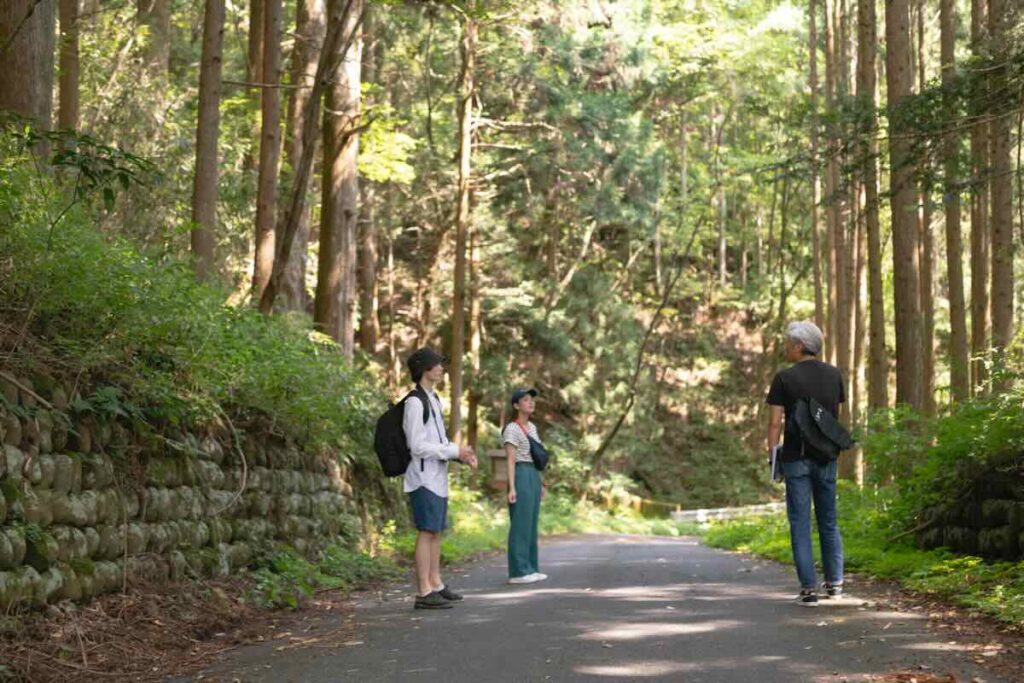
One of the best parts of travelling abroad is enjoying the country’s unique nature.
Sometimes I also go abroad and am amazed by the nature in foreign countries, which is completely different from that in Japan.
But often, the places that impress me the most are the ordinary sights of everyday life.
Kangaroos, for example. When I stayed in the Australian countryside, I was very impressed to see wild kangaroos, but I was surprised twice when I heard that they are common in the local area and are treated as a nuisance because their numbers have increased too much.
It is the same in Japan.
We will introduce in several articles some of the natural features of Japan that are commonplace for us, but a little unusual for overseas visitors.
The first issue is about Sugi (Japanese cedar).
You will see Sugi forests on nature tours in Shima Onsen, but you will also see them on walking tours in the countryside.
Although Sugi is often translated as “Japanese cedar,” Sugi is actually a species endemic to Japan and different from cedar. For this reason, this article will use the term Sugi instead of cedar.
[toc]
Sugi is abundant in Japanese forests
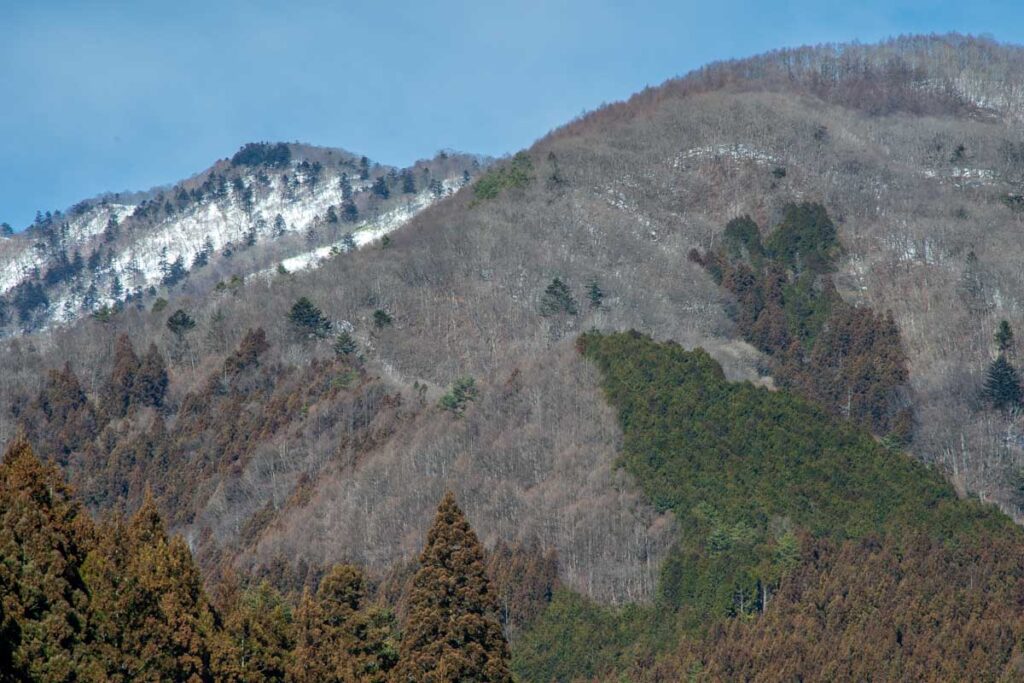
Japan is rich in nature. The forest cover accounts for 68.5% of the country’s land area. If you come to Japan and leave the city for just a little bit, you will be able to enjoy the natural beauty of Japan, surrounded by forests.
However, many forests and woodlands that look like natural landscapes are in fact planted forests.
Japan is a country with a very high area of planted forests, with more than 40% of its forests being planted forests, ranking eighth in the world in terms of area of planted forests. They are mostly planted coniferous forests, almost half of which are Sugi.
This means that around 20% of Japan’s forests, which are said to contain 1,200 tree species, are Sugi trees.
The proportion of Sugi trees may be even higher in woodlands that are easily accessible to people. When looking at the mountains, areas with unnatural color changes in the shape of blocks are often Sugi forests.
The mountains visible from the center of Shima Onsen are also clearly color-coded with a right slope and a left slope.
Sugi that were planted but never used

Sugi were planted as artificial forests around the Edo period (1603-1868) to supply timber for large cities such as Edo and Osaka.
The rapid increase in the number of Sugi occurred after World War II. During World War II, large numbers of trees were cut down in mountains all over Japan to supply materials and charcoal.
The forestry industry, including charcoal production, was very active in Shima Onsen and the surrounding areas.
During the war (1942), Hideki Tojo, the Prime Minister of Japan at the time, even visited Shima Onsen to inspect charcoal kilns in the area to encourage charcoal production.
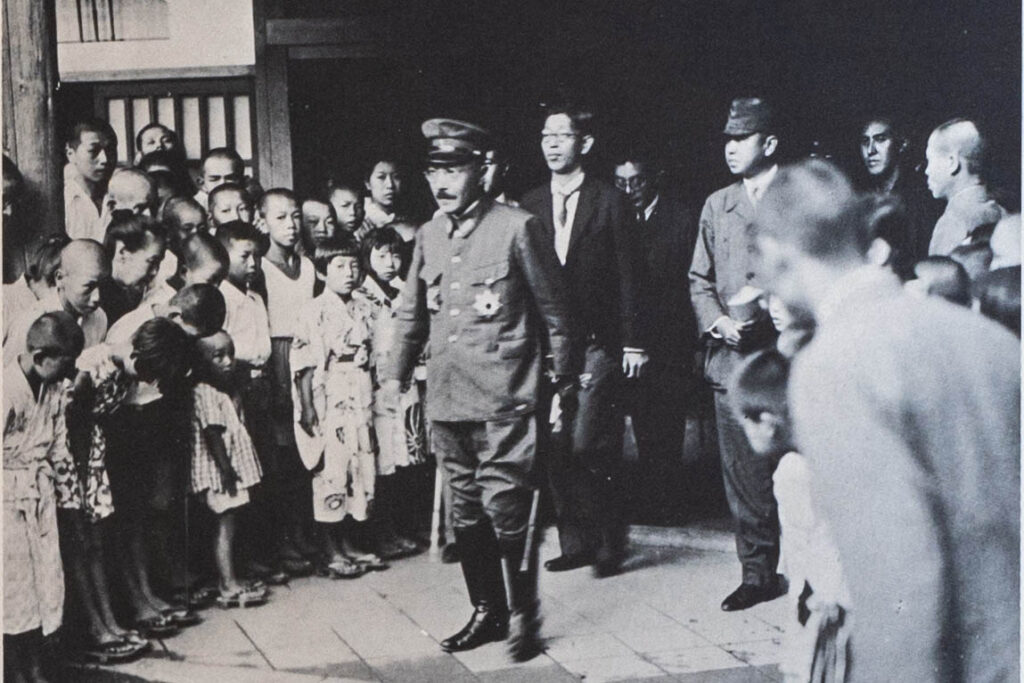
After the war, when large quantities of timber were needed for reconstruction and economic development, Sugi was planted in large quantities in the mountains that had been cut down during the war.
Sugi is said to grow quickly, but even so, it takes 40-50 years before it can be used as a building material. By the time the Sugi were ready for harvesting, times had changed and, due to cheap timber imported from abroad, the relatively expensive domestic timber was not harvested and left in the mountains…
This is why there are so many Sugi forests in the mountains of Japan.
This has caused the mountains to become rough, and in the early spring, large amounts of allergenic Sugi pollen are dispersed, so Sugi, which should have been an important material for reconstruction, is now often treated as a nuisance because of its overabundance.
It is somewhat like the kangaroo.
Sugi is an essential part of Japanese culture
Sugi has been used since ancient times and is inseparable from Japanese culture, as Sugi wood has been excavated from ruins dating back 6,000 years.
Sugi as an object of worship
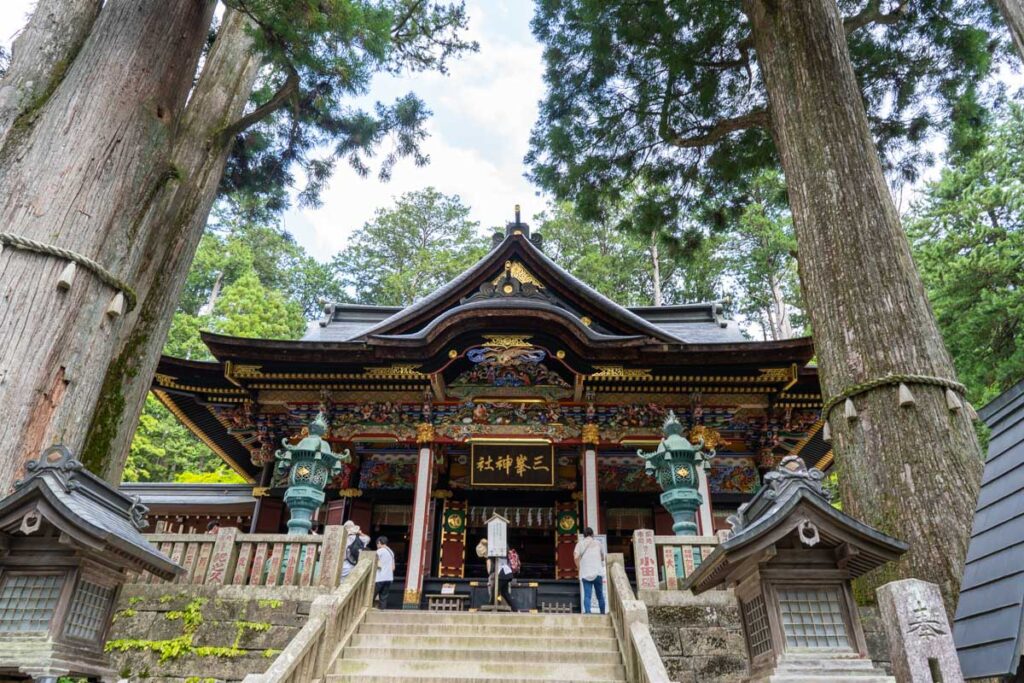
Sugi are often planted as sacred trees in shrines, and giant Sugi trees can be seen at shrines all over Japan.
Haruna Shrine, a well-known power spot near Shima Onsen, has a 500-year-old Sugi tree designated as a national natural monument.
Yakushima Island in Kagoshima Prefecture is an island of mountain worship, where natural Sugi trees over 1,000 years old, including the famous Jomon Sugi, are sacred.
Sugi as a building material
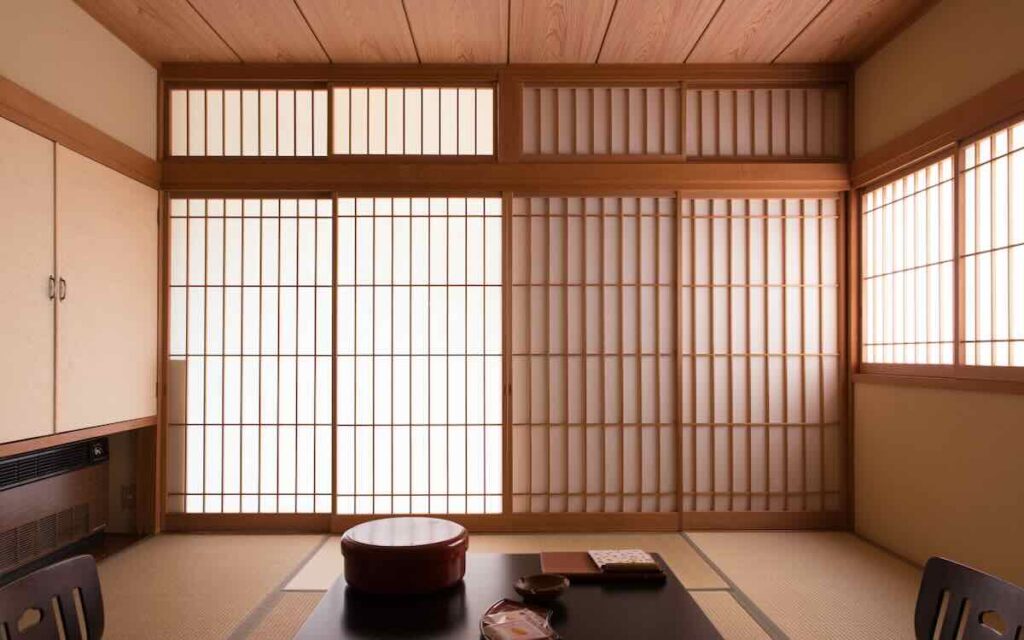
Although foreign timber continues to be used in a high proportion of ordinary Japanese wooden houses, the use of Sugi and other domestic timber seems to be increasing rapidly these days.
When staying in a wooden ryokan, most of its pillars and boarded ceilings are often made of Sugi or cypress.
There are also Sugi branded by region of origin, such as Akita Sugi, Yoshino Sugi and Kitayama Sugi.
Sugi integrated into daily life
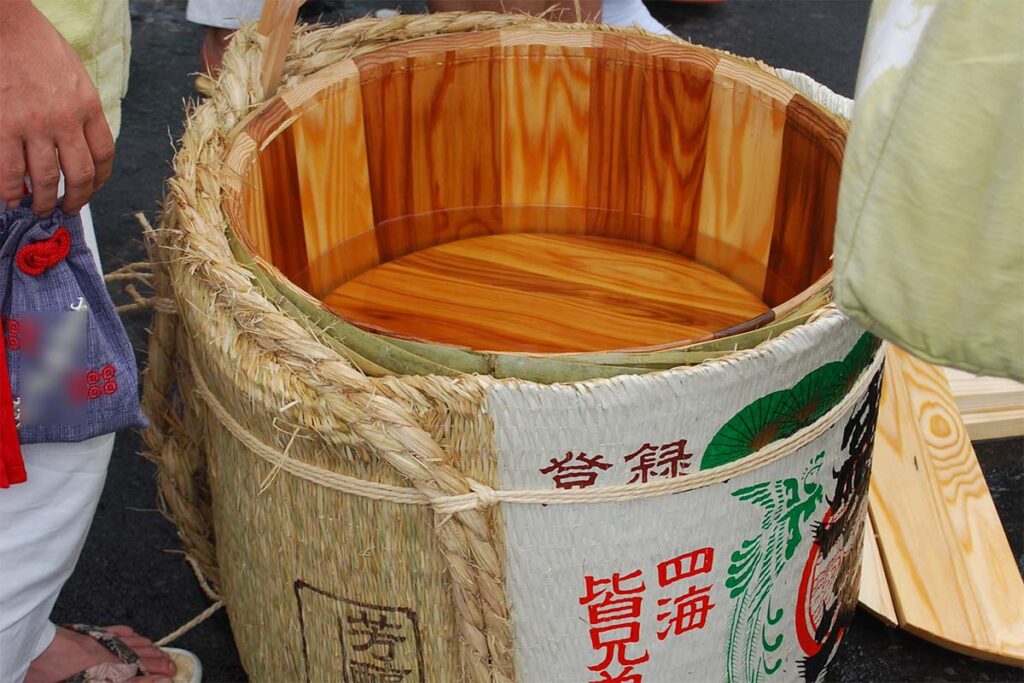
katorisi, CC BY-SA 3.0 via Wikimedia Commons
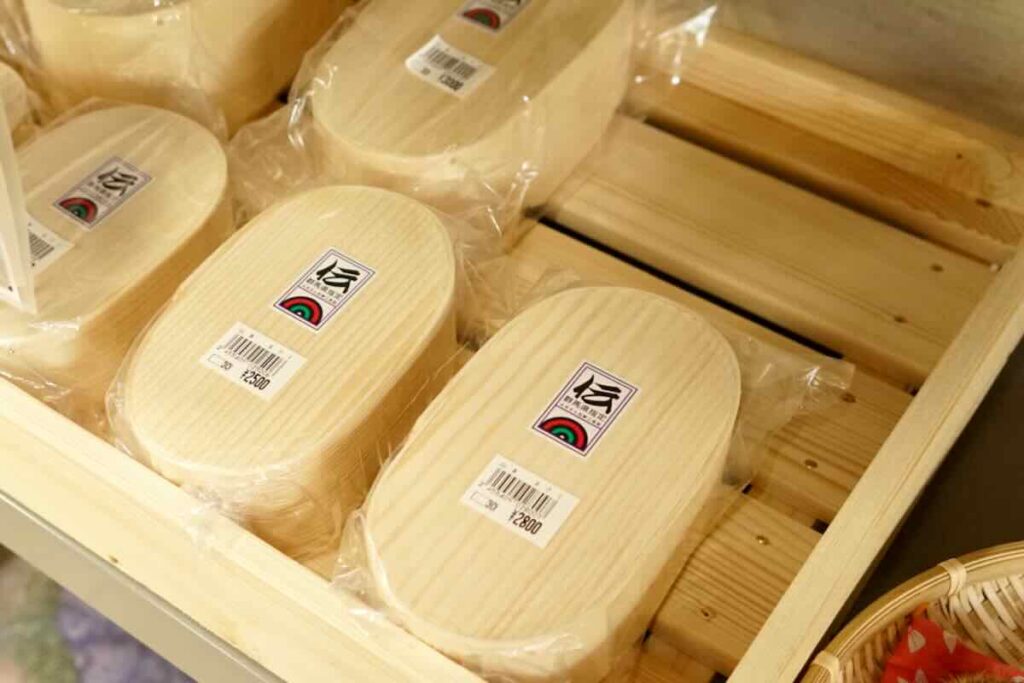
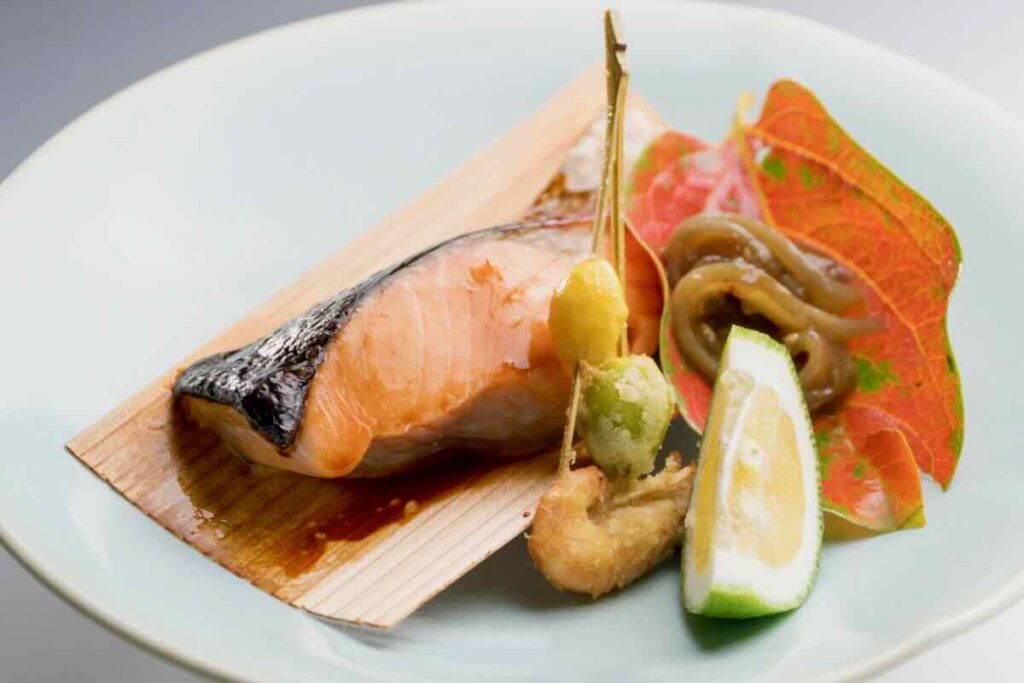
Sugi is deeply integrated into Japanese life and is used in various ways. Sugi is used to make thin, oval-shaped lunch boxes, chopsticks and “Sugi-ita-yaki”, a dish that utilizes the fragrance of Sugi.
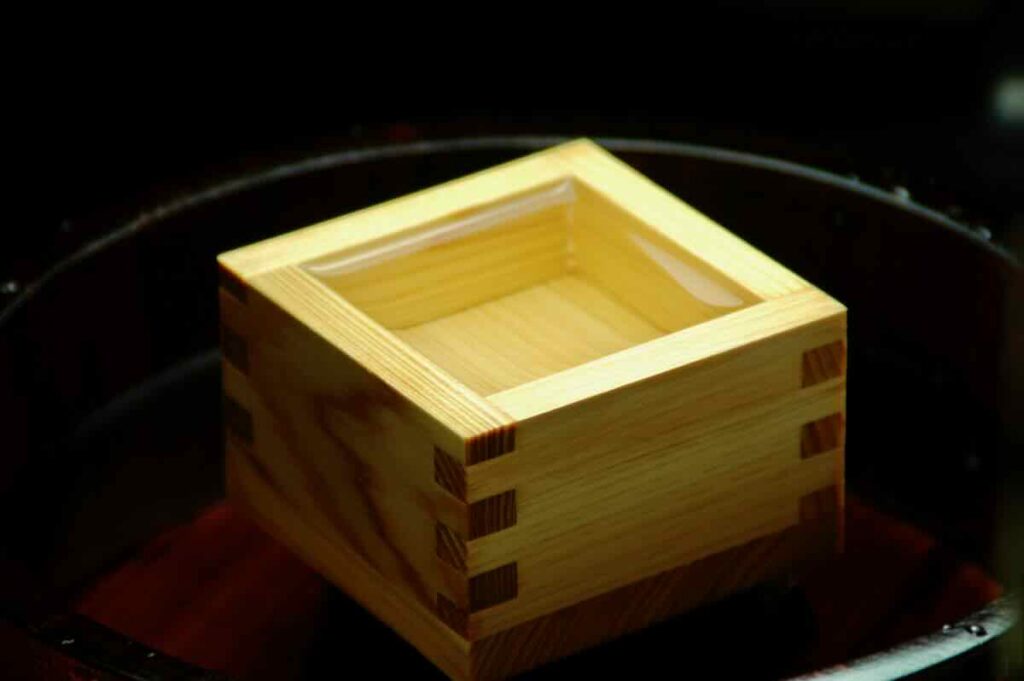
Like wine and whisky casks, Sake is stored in Sugi casks, where the fragrance of the Sugi is transferred and the Sake becomes delicious.
Sugi leaves are also often used for incense sticks, which are essential for daily prayers and events in Buddhism. These Sugi products are also good souvenirs.
Finally
Bilingual nature guides welcome guests from all over the world.
For some guests, this may be their first and last visit to the site.
If guided tours are created throughout Japan that will remain as warm memories in the hearts of these visitors, travelling in Japan will become even more enjoyable and fascinating.
Sugi forests stretching straight up towards the sky are a uniquely Japanese landscape and are beautiful just to look at.
We would like to make your sightseeing experience even more memorable by telling you the stories behind them.
References:
1) Global Forest Resources Assessments FRA2020
2) https://note.com/thinknature/n/n962f40ed53d0
3) History of Shima Onsen by Shima Onsen Association
4) mainichi.jp https://mainichi.jp/maisho/articles/20200609/kei/00s/00s/012000c






Comments