
The Stone Statues You’ll Find Along Roads in Japan
Today, I’d like to introduce something you can often spot when walking along old streets or narrow alleys in Japan – stone statues.
Have you ever come across an old-looking stone statue while strolling through a quiet, traditional area in Japan?
You might not see them much in big cities, but they’re quite common at village entrances or at crossroads in the countryside where large-scale development hasn’t taken place.
At first glance, they might all look similar – but if you look closely, you’ll notice different shapes and details.
In fact, there are many types of these roadside statues.
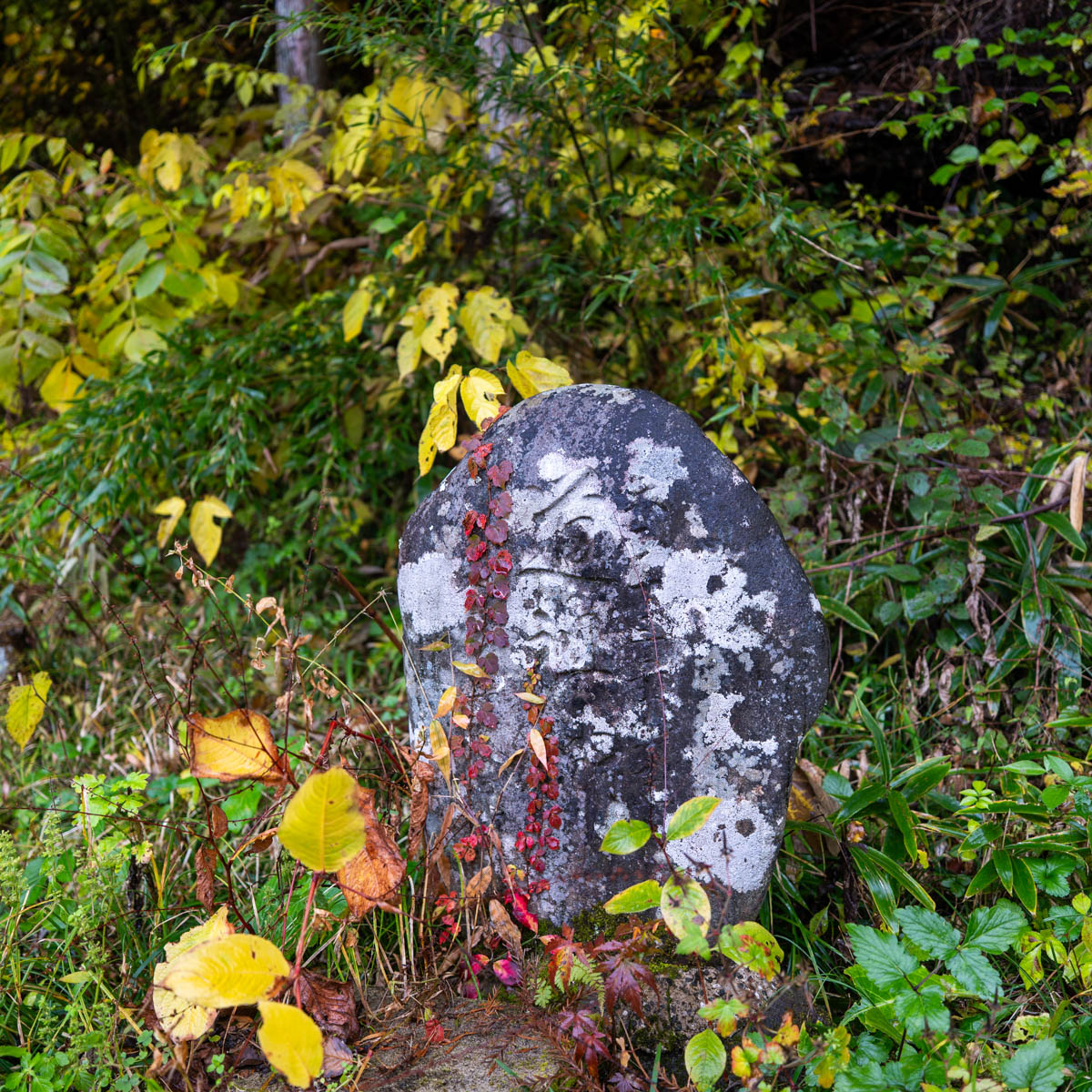
While many of them are actually gravestones, a large number can be categorized into four main types: Dosojin(道祖神), Koshinto(庚申塔), Jizo(地蔵), or Bato Kannon(馬頭観音).
Let’s take a look at what each of them means and what they look like.
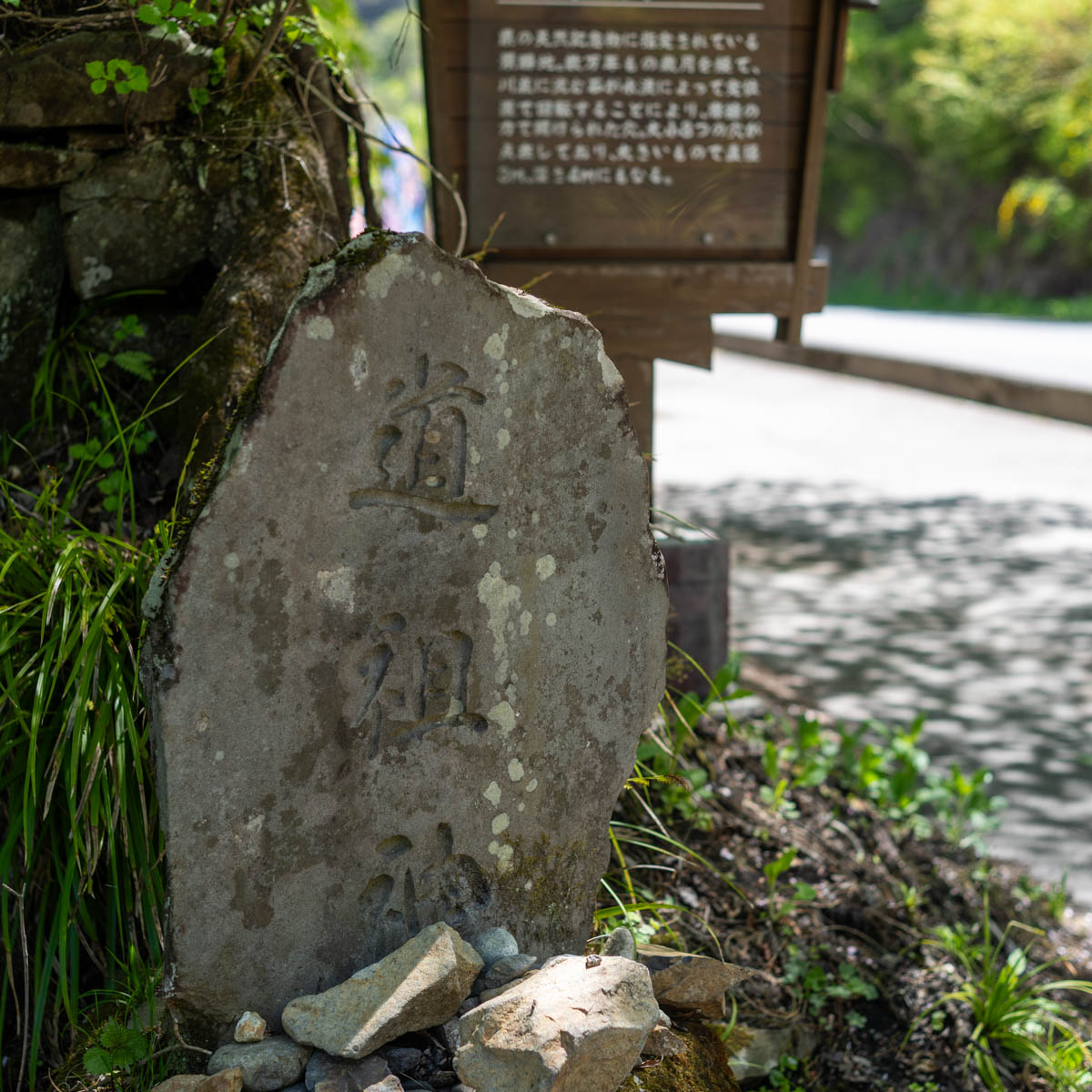
Dosojin (道祖神)

Dosojin are guardian deities placed at village borders or along roadsides to protect the community.
They are believed to bring good fortune, drive away evil spirits, and ensure fertility and bountiful harvests.
They are also worshipped as protectors of travelers.
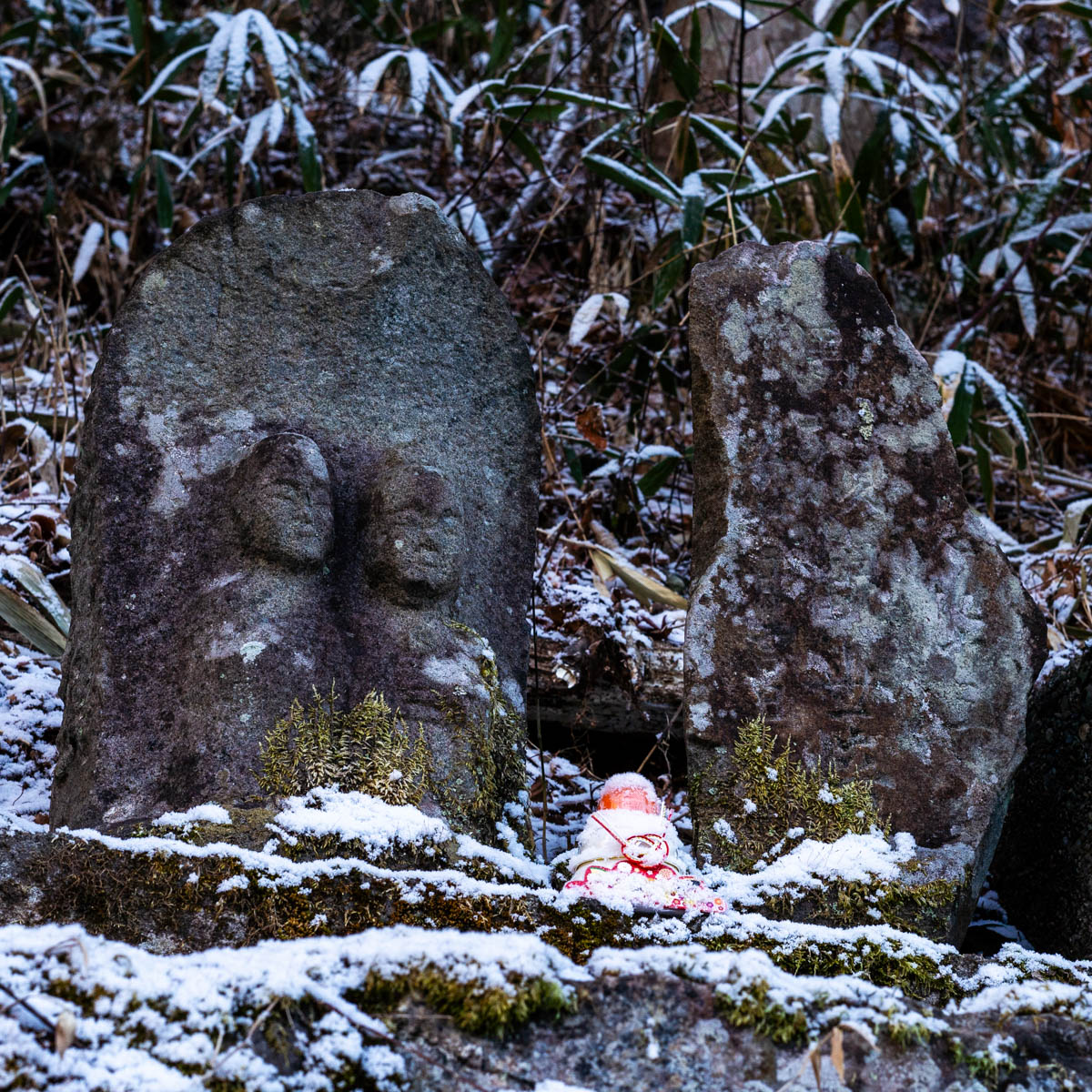
These statues come in many forms, but one common type is a pair of male and female figures side by side.
This “paired Dosojin” represents not just road protection but also a god of harmony and union.
There’s also a traditional fire festival called Dondoyaki, held around January 14th every year near Dosojin statues, where people light sacred fires to ward off evil.
In Shima Onsen, you can find several Dōsojin statues, including the paired kind.
The town also holds Dondoyaki in the evening of January 14th at several spots.
Koshinto (庚申塔)

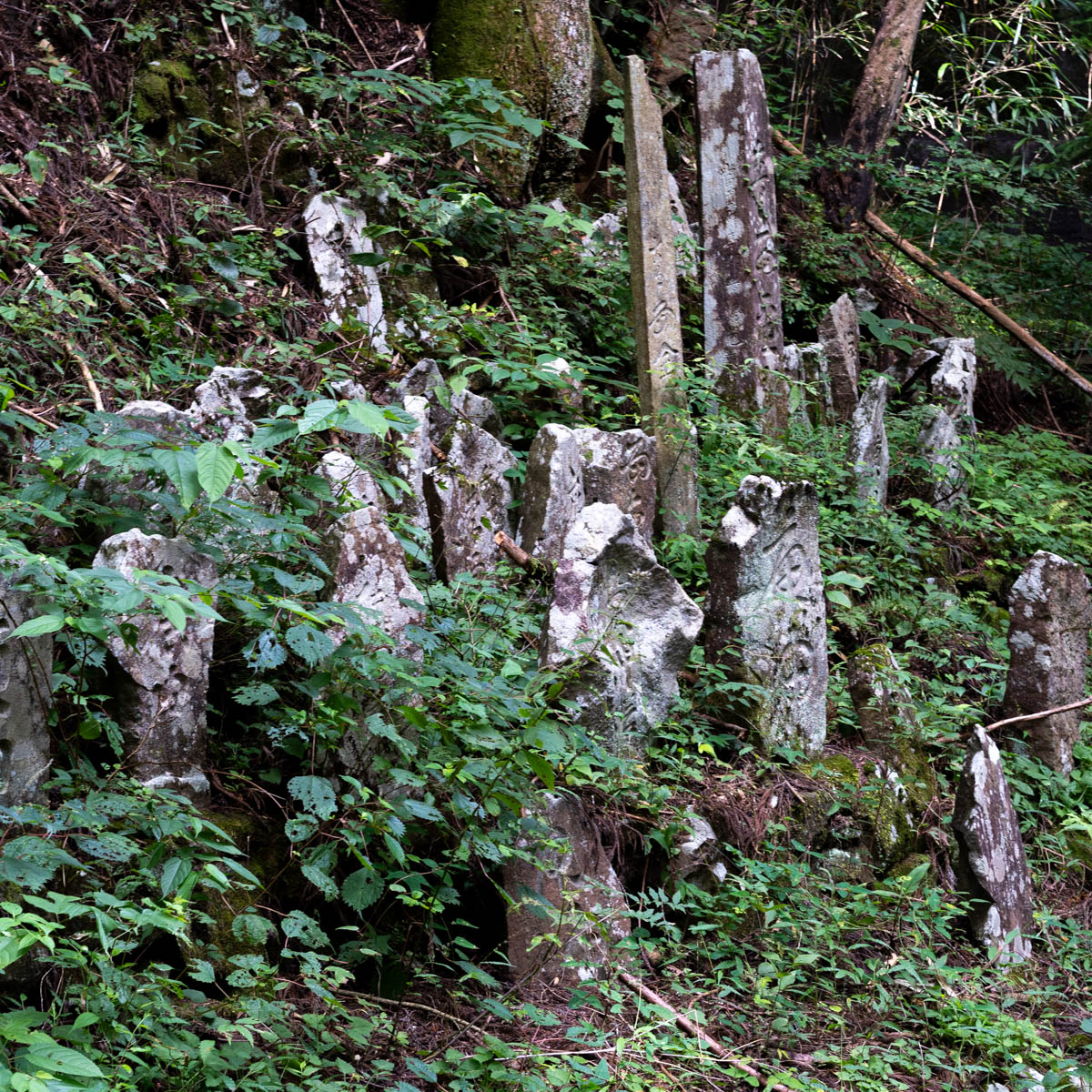
Koshinto are stone monuments built as part of a folk belief system called Koshin-shinko, which came from China.
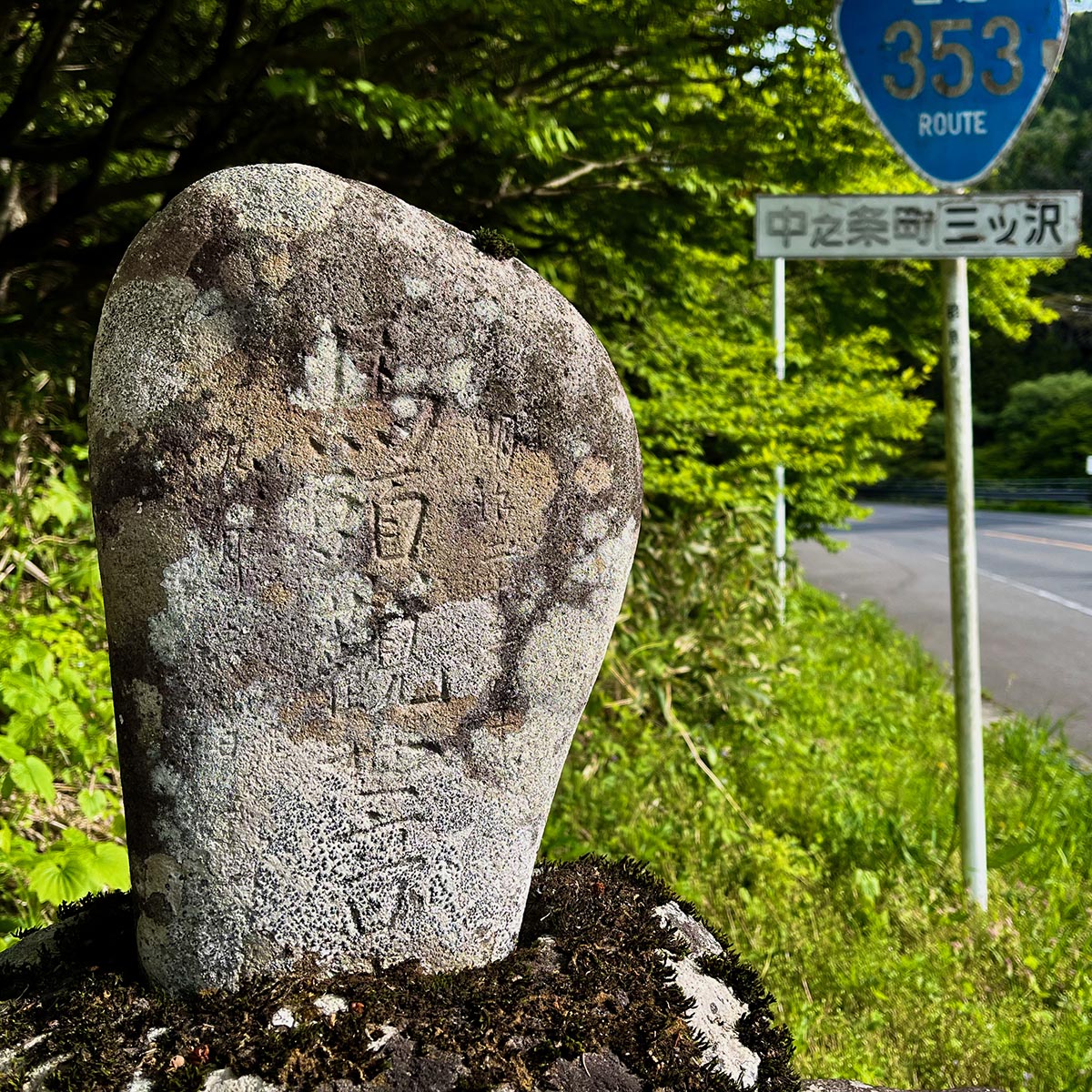
Many of these towers simply have the kanji “庚申” carved into the stone.
This belief involved staying awake through the night on certain days (called Koshin days, which come every 60 days) to pray to deities and ward off bad luck.
The practice was especially popular until the late 19th century.
In Shima Onsen, there’s a spot called Hyakukoshin, where more than 50 Koshinto once stood along the town’s old main street – proof of how widespread the belief once was.
Jizo (地蔵)

These stone figures are often shaped like gentle, kind-looking people – many with cute or peaceful expressions.
Jizo comes from Buddhism and refers to Jizo Bosatsu, a bodhisattva believed to protect people from suffering in the afterlife, especially children.
Over time, these statues blended with local Shinto and folk beliefs and became widely loved as roadside protectors.
Because of their connection with Dosojin, you’ll often find Jizo statues at the entrances of old villages as well.
Bato Kannon (馬頭観音)

Bato Kannon literally means “Horse-Headed Kannon.”
It’s a fierce-looking version of Kannon (the Buddhist deity of compassion) with a horse’s head.
While some monuments are simple stone slabs with just the words “馬頭観音” carved on them, many statues show this deity with an intense, wrathful expression. Bato Kannon is believed to protect livestock – especially horses.
Horses used to be an important way to get around, so I think that’s why you often see these statues along old roads and travel routes.



How was that?
Next time you find yourself walking through Japan’s countryside, take a closer look at the old statues and stone towers you pass by.
They each have their own stories and meanings—and they remind us of the long history of the people who once walked those same paths.
Please note that the stories and meanings behind these stone statues and monuments can vary greatly depending on the time period and region.






Comments